
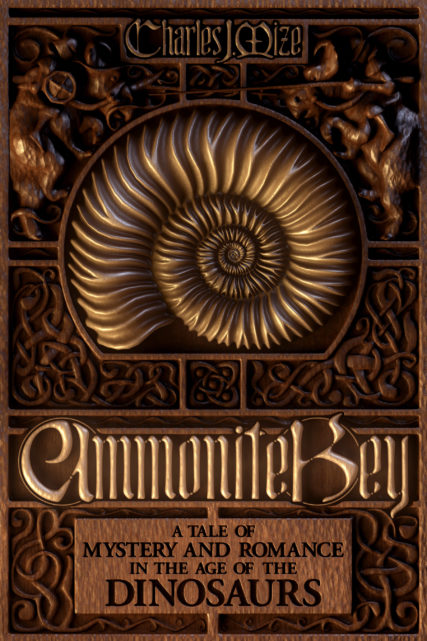
The sequel to Sickle Claw, this story starts the very night the previous book ends and launches our characters a new direction. While the strange army led by the ogress Vilura is in retreat, the king holds a grand tournament. A mock battle, a raucus joust fought on the back of stampeding ceratopians, and a duel fought between two old rivals, all make for a rousing celebration, but disaster lurks just below the surface of the festivities. For old jealousies are still strong and growing stronger, transforming into hate. There will be deceit. There will be betrayal. There may even be murder.
Meanwhile, our hero Jaral, still just a boy of twelve or thirteen, is faced with his own challenges, personal challenges that he’s forced to face alone. Transformed in the blink of an eye into a new person, with new abilities and new responsibilities, he must find his way forward while at the same time unraveling the past and the mystery of his own missing parents.
Mystery abounds in this story, and secrets will be revealed: The whereabouts of Jaral’s long-lost mother; The strange curse upon the mind of the princess Innara; The origin of Vilura and her destructive eye; The identity of the mysterious woman in the mask who holds such a grip on the heart of Sir Taranar; and new questions raised, such as the nature of the small silver box and the old page of hardly-legible writing, both of which are coveted by many.
Mystery and murder, secrets and lies among people who are, neither nore nor less, dinosaurs, in a story of suspense and intrigue building to a daring finish and a tragic end, and to be continued in Falling Stars: A Tale of Honor and Destiny in the Age of the Dinosaurs.
Any good series of stories should structured in the three-part model, the trilogy. In the first story, you build things up. You build a world. You build an experience. You build expectations. You don’t deliver on those expectations yet, for there is still plenty of time for that in the two remaining parts.
In part two, the middle part, you tear everything down. You still don’t deliver on the expectations built in the first chapter, at least not in the expected way. You surprise. You twist. You bring disaster and ruin. You reveal secrets that turn the previous story on its head. Then you leave with a fantastic cliffhanger.
Finally, you rebuild in the final chapter, better, bigger and more beautiful that the first. You deliver on all the original expectations, then go much further.
That means that the real work is always done in the middle. The fun is left for the first and third. Building is fun, but tearing down is not, or so it would seem. If you’ve ever demolish something, even if it’s just a sandcastle, then you know what I mean.
And that was the childish, slightly cruel joy I had took in writing this book. Characters are murdered. Other characters are nearly murdered. Betrayal lurks around every corner, either real or imagined. The secrets I reveal don’t really make us feel better, but reveal old grudges and painful mistakes.
But that’s where it helps to be the writer, as you know how things are going to end. Or at least, how you intend for them to end. You know they will work out for the better, even if it takes you five more years to think up how. And so, the gradual unraveling that comes with the middle chapter is greatly enjoyable. I just hope it is for the reader as well, as we wallow in the tension and suspense, the sulky moods and seething resentments. It’s strange to look back now at how easy this second book was to write, and how easy it remains to edit. Darker and more emotional, it nevertheless flowed together much more easily than the cumbersome exposition of the first novel, or the demanding resolutions of the third. I just hope readers enjoy it as much as I enjoyed writing it.


